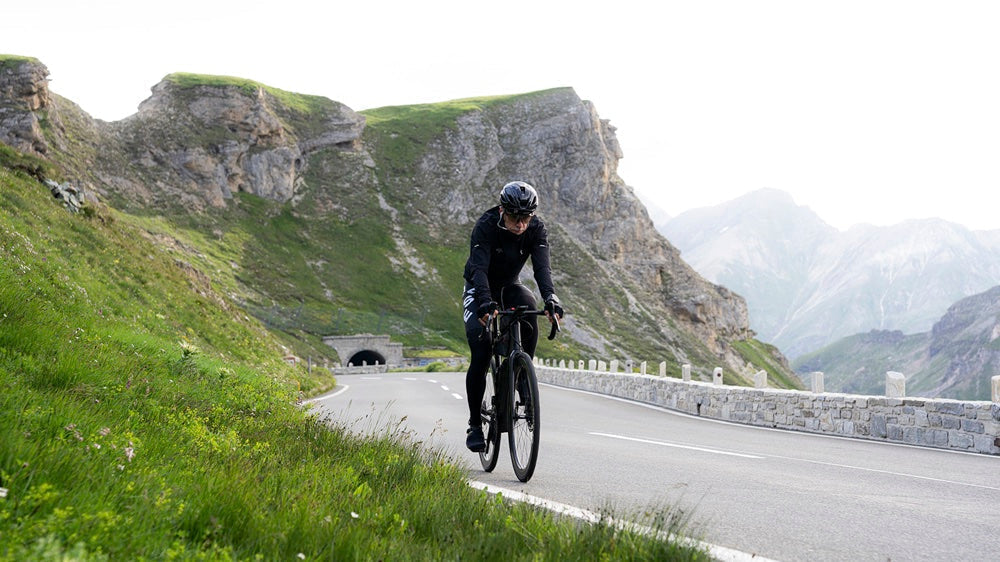
Extreme heat is therefore no longer an exceptional occurrence, but is increasingly becoming part of our everyday summer life.
This doesn't just apply to people who exercise. Whether you're traveling, sightseeing, commuting, working outdoors, taking a walk around town, or spending long days at the lake, your body is exposed to higher temperatures. And the longer we're out and about, the more important an often-overlooked issue becomes: staying hydrated.
Heat is a health issue
WHO/Europe describes extreme summer heat as a growing public health problem. High temperatures can put a strain on the body, exacerbate health issues, and pose a risk—especially to older adults, children, people with underlying health conditions, and those exposed to the sun for long periods of time.
In 2026, WHO/Europe therefore published the second edition of the *Heat–Health Action Plans Guidance *. The guidance is intended to help countries, regions, and cities better prepare for extreme heat and reduce health risks. Among other things, the WHO identifies heat warning systems, clear communication, protection of particularly vulnerable groups, and measures to reduce heat stress as key elements.
The key message is simple: Heat isn't just unpleasant. It's a factor we need to be better prepared for.
What Happens in the Body When It's Hot
When temperatures are high, the body works actively to maintain a stable temperature. Sweating is an important mechanism for this. During sweating, the body loses fluid—and along with it, minerals.
This doesn't just happen during training or competition. A long walk through a hot city, waiting in the sun, a day of travel with luggage, or spending several hours at the lake can also increase your fluid needs.
That is why WHO/Europe recommends simple protective measures as part of its heat-related communication: reduce exposure to heat as much as possible, seek out cool places, adjust physical activity, and drink water regularly.
Our recommendation for days when the temperature exceeds 30 °C
On hot days, it helps to consciously plan your daily water intake. It doesn't have to be complicated—just practical for everyday life.
A 750-ml KEEGO makes it easy to keep track of things:
3 refills = 2.25 liters
4 refills = 3.0 liters
5 refills = 3.75 liters
For many adults, on days when the temperature exceeds 30 °C, at least 3 KEEGO refills are a good starting point. If you’re on the go a lot, spend a long time in the sun, travel, exercise, or sweat heavily, you should plan on 4 to 5 refills.
What's important here isn't just the total amount, but the rhythm: drink regularly before you feel thirsty, tired, or get a headache.
Hydration is also important when traveling and in everyday life
Summer heat isn't just a sports issue. Especially on vacation or when out and about, many people don't drink enough: They're on the go for long periods, don't want to be constantly looking for a restroom, forget to refill their drinks, or underestimate how much fluid they lose due to heat and physical activity.
Typical situations:
- Sightseeing in Hot Cities
- long car trips or train trips
- Paths in the Sun
- Time at the lake or beach
- Hiking, Biking, or Running
- Festivals, Events, and Day Trips
A simple routine helps: hydrate before you set out, make a point of rehydrating along the way, and drink small amounts regularly when it's hot.
Drink clean water. Especially in the summer.
In the summer, we often carry our water bottles with us for hours on end—in the car, in our backpacks, on our bikes, at the lake, or while traveling. That’s exactly when it makes a difference what you drink from.
KEEGO is coated on the inside with 100% titanium. This ensures your drink retains its natural flavor—no plastic taste, even if the bottle is with you for a while. At the same time, KEEGO is lightweight, squeezable, and designed for everyday use.
On hot days, that means you don't just carry water with you—you actually enjoy drinking it.
Your Simple Summer Checklist
Fill up your KEEGO before you head out.
Drink regularly throughout the day when it’s hot.
Make a point of refilling your bottle when you’re traveling, sightseeing, or spending long days outdoors.
And if you’re sweating a lot: Water is important—but so are salt and minerals.
Conclusion
Europe is getting hotter. According to WHO/Europe, extreme heat is a growing health burden—and many risks can be reduced through simple measures. This includes drinking fluids regularly.
With a 750-ml KEEGO, it becomes a simple routine:
3 refills as a baseline. 4 to 5 refills in hot weather, on long days outdoors, while traveling, or when sweating heavily.
KEEP GOING.
Source Citation
Sources: WHO/Europe – Planning Heat-Health Action; WHO/Europe – Heat-Health Action Plans: Guidance, Second Edition, 2026; WHO/Europe – Heat Action Day: New WHO Guidance Helps Authorities Better Protect People from the Effects of Heat, 2026.